
By Shawn Wondunna-Foley, Chairperson, Butchulla Native Title Aboriginal Corporation (BNTAC)
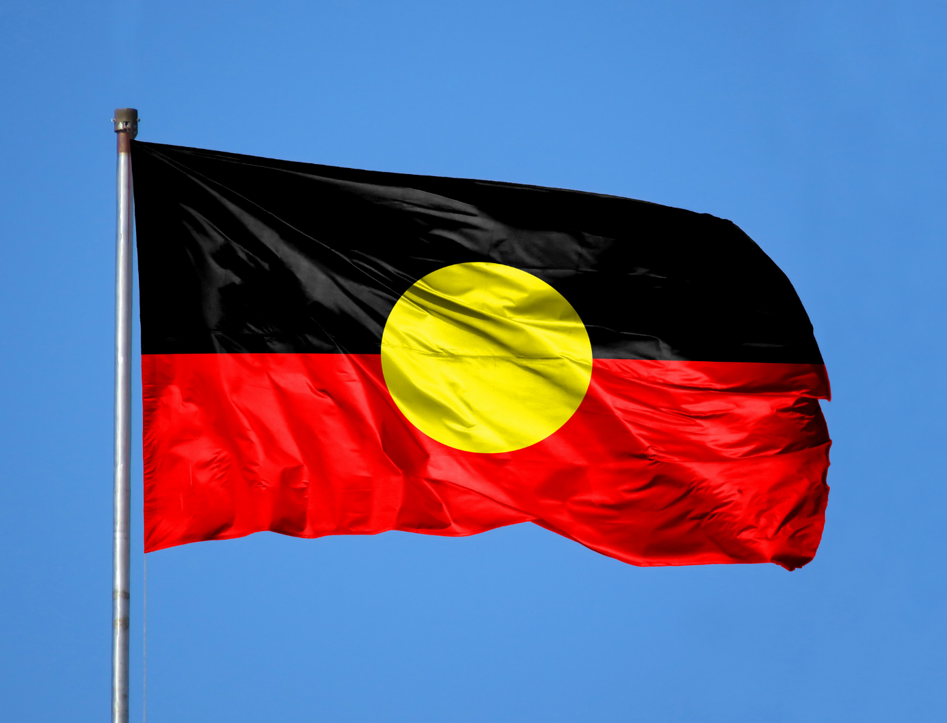
Today, 9 July, we reflect on a moment in history that forever changed the way Aboriginal peoples and cultures are seen and celebrated in this country. On this day in 1971, the Aboriginal Flag was publicly flown for the first time at a land rights rally in Victoria Square/Tarntanyangga, Adelaide. It was a bold and powerful statement of identity, pride, and visibility for Aboriginal peoples at a time when the fight for recognition, rights, and self-determination was gaining momentum across the nation.
The public raising of the Aboriginal Flag was more than just a symbolic act. It was a unifying moment for Aboriginal communities and their supporters, representing a collective voice and an enduring connection to Country. It stood as a testament to the strength and resilience of the world’s oldest continuing cultures. In that moment, the flag became a powerful expression of survival, resistance, and hope — a symbol that continues to inspire and empower generations.
Reflecting on this historic milestone, I am reminded of the profound impact the flag has had on our people and our nation. As I often say, “The Aboriginal Flag is more than a symbol; it is a living, breathing representation of our identity, our connection to Country, and our unyielding spirit. It reminds us of where we’ve come from, what we’ve endured, and the strength we carry forward into the future.”
More than 50 years later, the Aboriginal Flag remains a beacon of pride, strength, and unity. Its first public raising on 9 July 1971 was a defining moment that brought Aboriginal identity, aspirations, and voices into the national consciousness. It holds deep cultural, historical, and spiritual significance, reminding us of the enduring connection of Aboriginal peoples to this land and the ongoing journey towards justice and equality.
Over the years, there have been times when the raising of the Aboriginal Flag has been challenged or restricted, with some claiming it to be divisive. But its enduring presence tells a different story. The flag is not a symbol of division; it is a symbol of survival, resilience, and the unbroken connection of Aboriginal peoples to Country. It calls for recognition, truth-telling, and a deeper understanding of our shared history.
The flag’s black, red, and yellow colours are more than just a design. They represent the people, the land, and the sun — the lifeblood of our cultures and communities. These colours carry stories, struggles, and triumphs. They remind us of the strength of our ancestors and the responsibility we carry to continue their legacy.
Today, as we commemorate the first public raising of the Aboriginal Flag, we celebrate not just a piece of fabric, but what it represents: identity, pride, resilience, and hope. It is a symbol of the ongoing fight for recognition, respect, and reconciliation. It is a reminder of the strength of our cultures and the importance of standing together as we shape a future that honours the truth of our past.
🖤💛❤️ Let us celebrate the flag, its meaning, and the journey it represents. Let us continue to raise it high, with pride, as we work towards a future of justice, equality, and unity.
Shawn Wondunna-Foley
Chairperson
Butchulla Native Title Aboriginal Corporation (BNTAC)